Portable Toilets for Boise Construction Sites: OSHA Requirements Explained
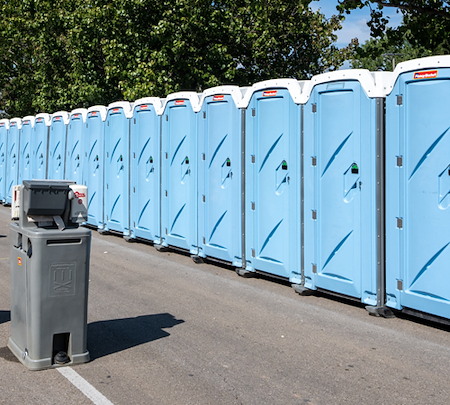
Running a safe, productive build in Boise starts with dependable sanitation. This guide explains what OSHA looks for on construction sites and how construction portable toilets in Boise help keep crews healthy and inspections smooth. If you need a fast, local solution, explore portable toilet rental options sized to your project.
Construction Portable Toilets in Boise: What OSHA Expects
OSHA requires employers to provide sanitary, accessible restrooms and handwashing for every worker on the job. The goal is simple: protect health, reduce lost time, and ensure basic dignity at work. On construction sites, that means having enough units for your crew size, keeping them serviced, and making sure workers can reach them quickly without leaving the active work area for long.
- Place units on level, stable ground with safe, well-lit access so crews can reach them without crossing hazards like active traffic or trench edges.
- Provide real handwashing with soap and potable water, plus paper towels or air-dry options. Do not rely on sanitizer alone for handwashing.
- Keep interiors clean, stocked, and in good repair with lockable doors for privacy and clear signage.
- Service on a routine schedule and remove waste through approved pumping methods to protect workers and the environment.
An OSHA-compliant setup helps limit illness, supports hydration breaks, and reduces the time crews spend walking off site. That adds up to better morale and more productive days.
How Portable Toilet Rentals Keep Your Boise Crew Compliant
Reliable portable restroom services support compliance and keep work moving in Boise’s changing weather. A professional provider plans the right mix of standard and wheelchair-accessible units, sets up handwash stations where crews actually need them, and maintains a clear service cadence that holds up during peak production weeks. With Trueblue Portable Restrooms, your superintendent has a single point of contact and one less critical path item to chase.
- Right-sizing: Choose the number and type of units based on headcount, shift length, and site layout to reduce lines and downtime.
- Strategic placement: Put restrooms near staging areas, break zones, and high-traffic trades so travel is short and safe.
- Dependable service: Scheduled pumping, restocking, and cleaning keep units inspection-ready throughout the project.
For broader project needs, you can review all categories at our services to plan sanitation alongside fencing, staging, and site logistics. Field-tested planning keeps inspections smooth while your crews focus on production.
Unit Counts, Placement, and Servicing Best Practices
Site managers often ask, “How many units do I need?” The answer depends on crew size, shift length, and how spread out the work is. When crews are concentrated in one core area, fewer units may cover demand. On multi-phase subdivisions or road work, you may need clusters placed near each active zone so no one walks too far. Short travel time increases real-world compliance and keeps the schedule on track.
Place units on firm, level ground that drains well. Avoid soft soil that turns slick after irrigation or a fall storm. Keep the approach wide for delivery and pumping trucks. Maintain lighting for early morning pours in winter, and keep paths free of cords, hoses, and debris. If your project has separate teams or extended shifts, add another handwash station close to the second break area so crews are never tempted to skip washing.
Smart Placement Across Boise Neighborhoods and Terrain
Downtown Boise jobs often have tight alleys and limited staging. Plan for curbside placement that preserves pedestrian access and keeps sightlines clear near intersections. In the North End and East End, many streets are narrow with mature trees and sloped parkways, so scout a stable, shaded pad that will not rut under service trucks. Foothills grading sites can be windy and dusty; face the doors away from prevailing winds and weigh units where appropriate. Garden City and Southeast Boise sites near the river may see saturated soils after storms, so consider ground mats and slightly elevated pads.
Local safety tip: Boise summers are hot and dry, and winters bring overnight freezes. Position units with shade in July and protect tanks and water supplies from freezing in January. Small placement choices reduce odors, improve comfort, and help prevent mid-shift service calls.
Handwashing, Water, and Waste Handling
Inspections look closely at hand hygiene. Real sinks with soap and potable water make the difference during concrete, framing, and drywall stages when crews handle dust and adhesives. Place sinks where gloves come off and breaks actually happen. Stock them with towels and trash receptacles so the area stays clean.
Waste should be removed on a reliable schedule that matches your crew size and workload. Professional pumping protects workers and keeps the site odor-free. Keep a simple log with service dates, any issues noted, and corrective actions. That shows inspectors you are monitoring sanitation just like you track SWPPP, dust control, and safety talks. For more field-proven ideas on restrooms and waste handling, skim our running notes on portable sanitation tips before your next mobilization.
Seasonal Planning for Boise, ID Construction Sites
Summer highs and wildfire smoke days test hydration and air quality. Place units near shaded break tents and keep extra handwash capacity so crews can rinse dust and soot. In early fall, strong afternoon winds in the Foothills can push unsecured doors; set door orientation and anchoring carefully. Winter brings frozen mornings across West Boise and Meridian. Choose antifreeze-safe solutions for handwash units, check lighting at 7 a.m. start times, and schedule service after ice melts to keep pads safe for drivers.
If your work crosses multiple neighborhoods from Harris Ranch to the West Bench, plan a circuit that keeps each active crew within a short walk of both a restroom and a handwash station. The less time workers spend traveling for basic needs, the more time they spend installing, setting, and finishing.
Simple Site Checklist Before Your Inspection
- Verify unit count and distribution match current headcount and active work zones.
- Confirm stable, level placement with clear approaches for service trucks and safe footpaths for crews.
- Test handwash stations for soap, potable water, and towels at the start of each shift.
- Keep a visible service log on site showing dates, restocking, and any corrective actions.
- Ensure privacy, locks, and signage are in good order; add a second cluster if lines start forming.
These basics help you pass routine checks and avoid surprises during critical path activities like pours, inspections, and deliveries.
Documentation, Access, and Communication
Good records and clear communication turn sanitation from a worry into a win. Note delivery locations on your site plan, including GPS pins for large or phased sites. Share gate codes and truck approach routes with your provider and update them as fencing moves. If you are adding second-shift work during a push, notify your provider so service frequency and restocking keep up with actual use. A quick morning huddle item for sanitation helps field teams flag low supplies before they become problems.
Why Boise Contractors Choose Trueblue Portable Restrooms
Contractors across Boise trust Trueblue Portable Restrooms because we focus on compliance and crew comfort from day one. We help you plan counts and placement, set a dependable service rhythm, and adapt as your site grows from excavation to finishes. Our teams understand local access challenges, from tight downtown deliveries to muddy winter approaches near the Boise River. If you want a high-level overview of all categories you can pair with sanitation, check out our services as you build your next mobilization plan.
Looking to centralize communications? Many superintendents link sanitation to their daily pre-task plans. That keeps the crew aware of locations, reduces lines, and improves hygiene at lunch. For a quick refresher on handwashing placement and restocking triggers, your field leads can review our portable sanitation tips page.
When you need to explain your approach to ownership or a visiting inspector, point to your documented plan and your provider’s scheduled service. It shows you are proactive, not reactive. You can also reference construction portable toilets in Boise on our home page for a simple description of how we stage, service, and support active jobs.
Ready To Keep Your Job Site Compliant?
If your next mobilization is coming up fast, now is the right time to schedule sanitation. Talk with Trueblue Portable Restrooms about crew size, shift length, and site layout so we can tailor a plan that fits your build. Start with our portable toilet rental options, then call 208-248-3688 to lock in delivery and service windows that match your schedule.
Schedule Your Porta Potty Rental and Services In Boise Today!